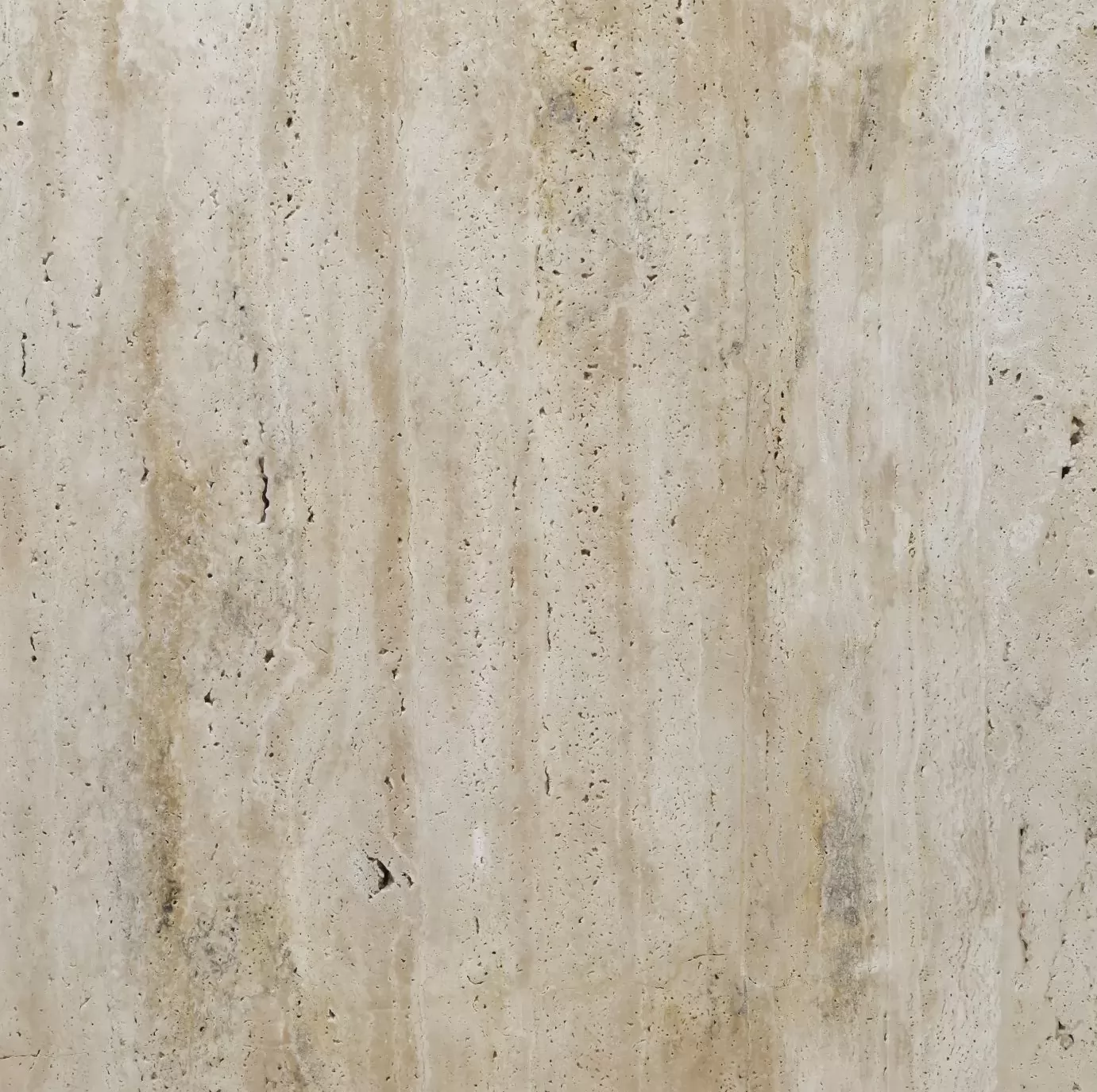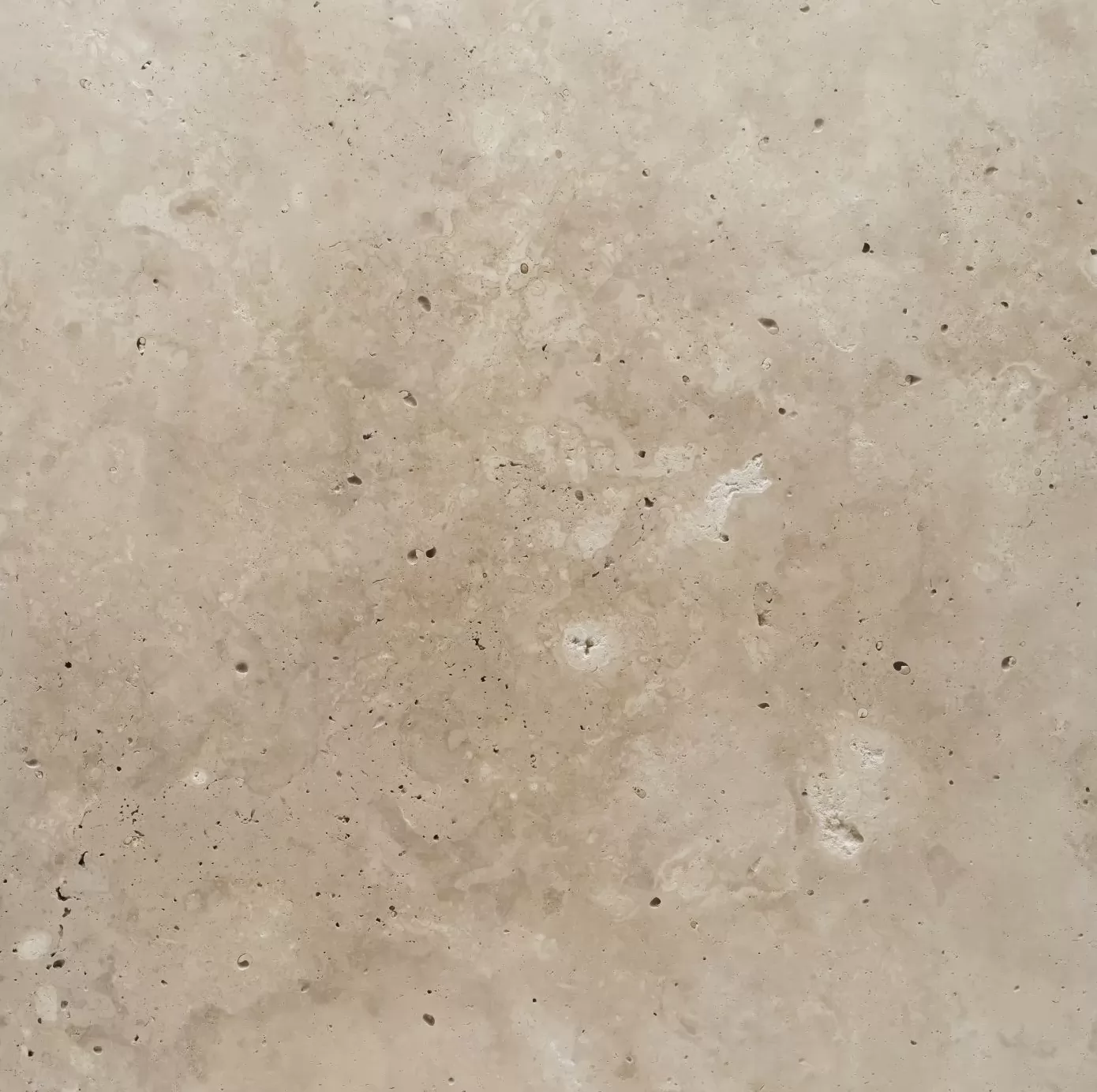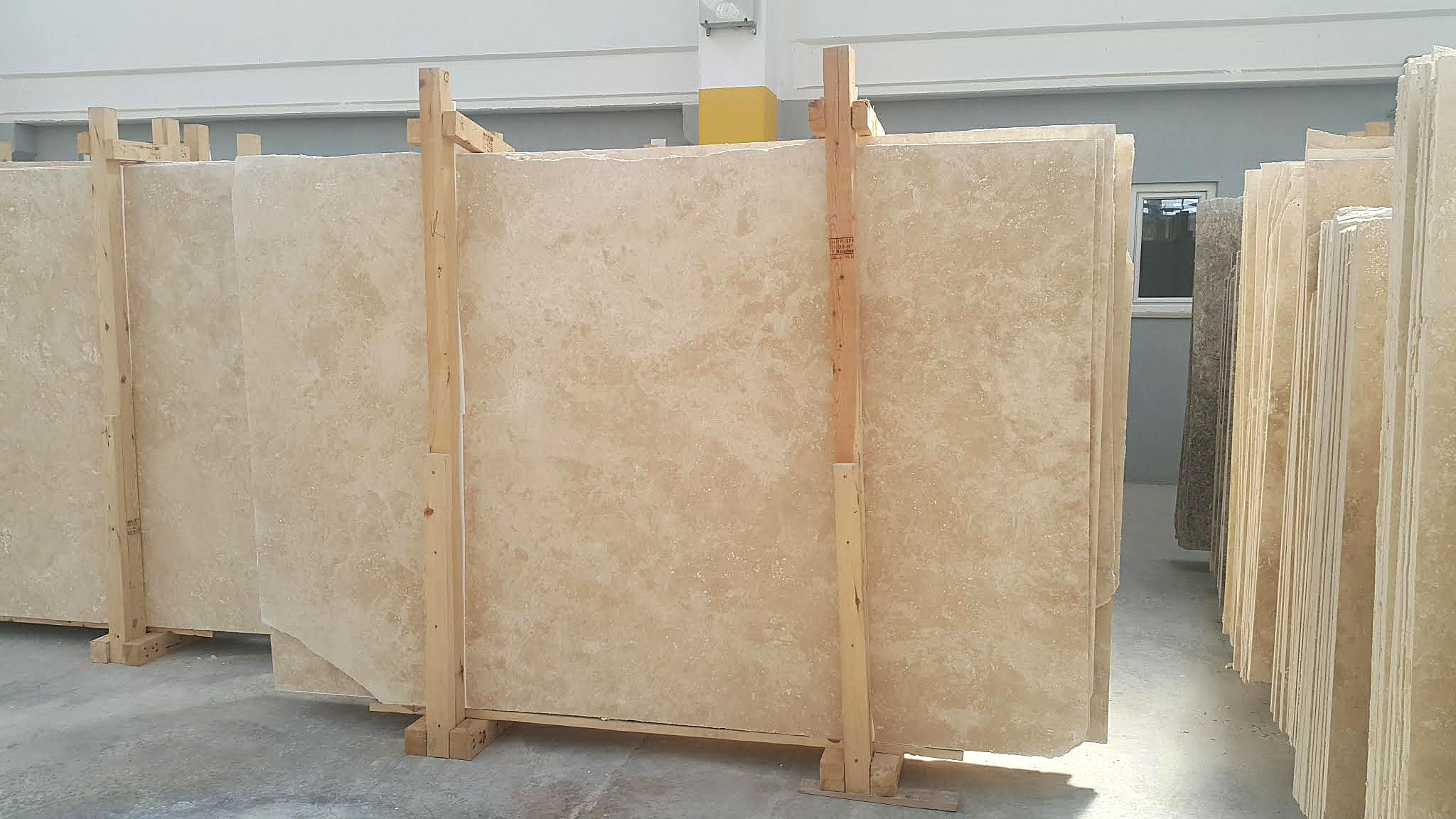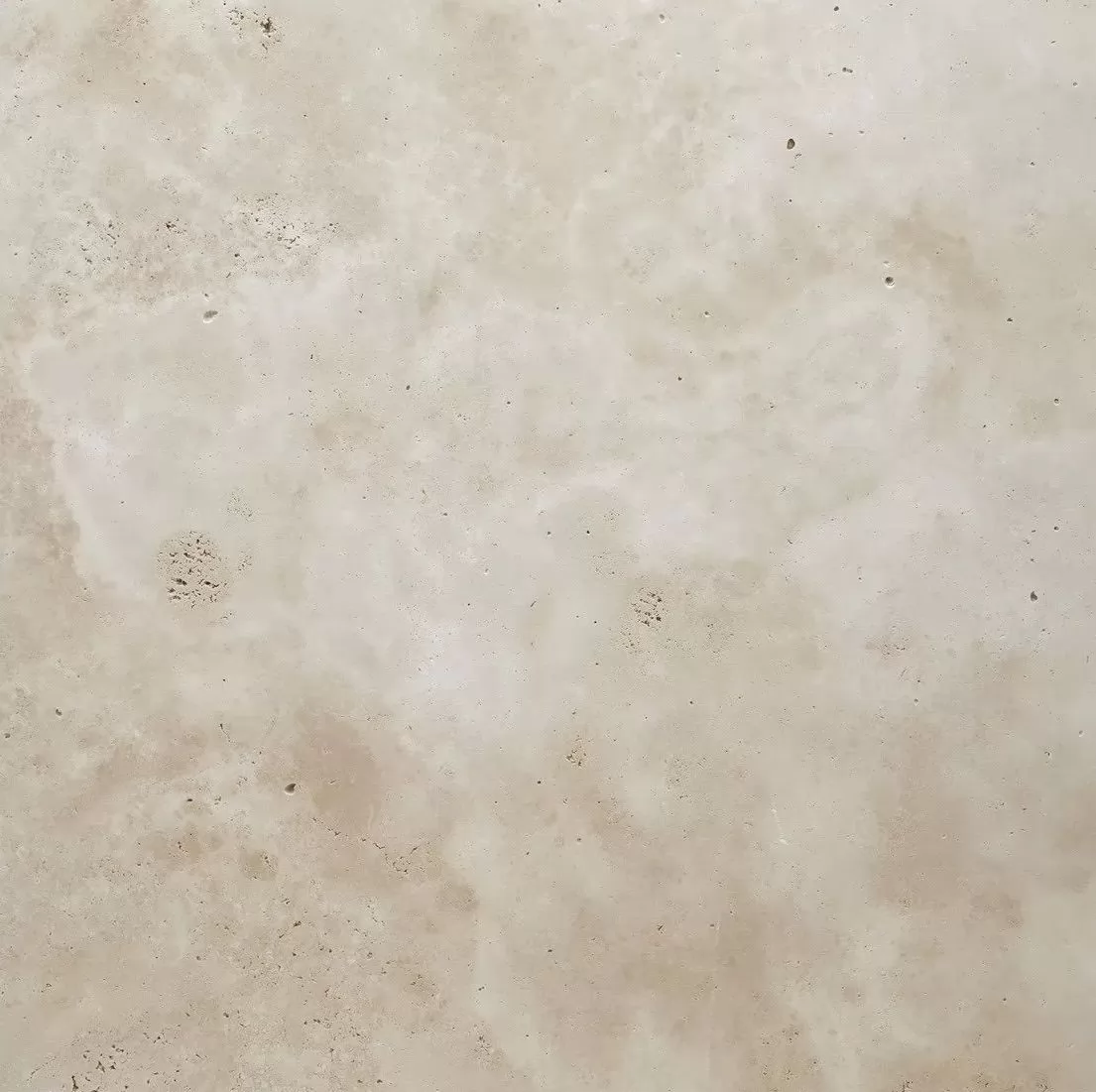
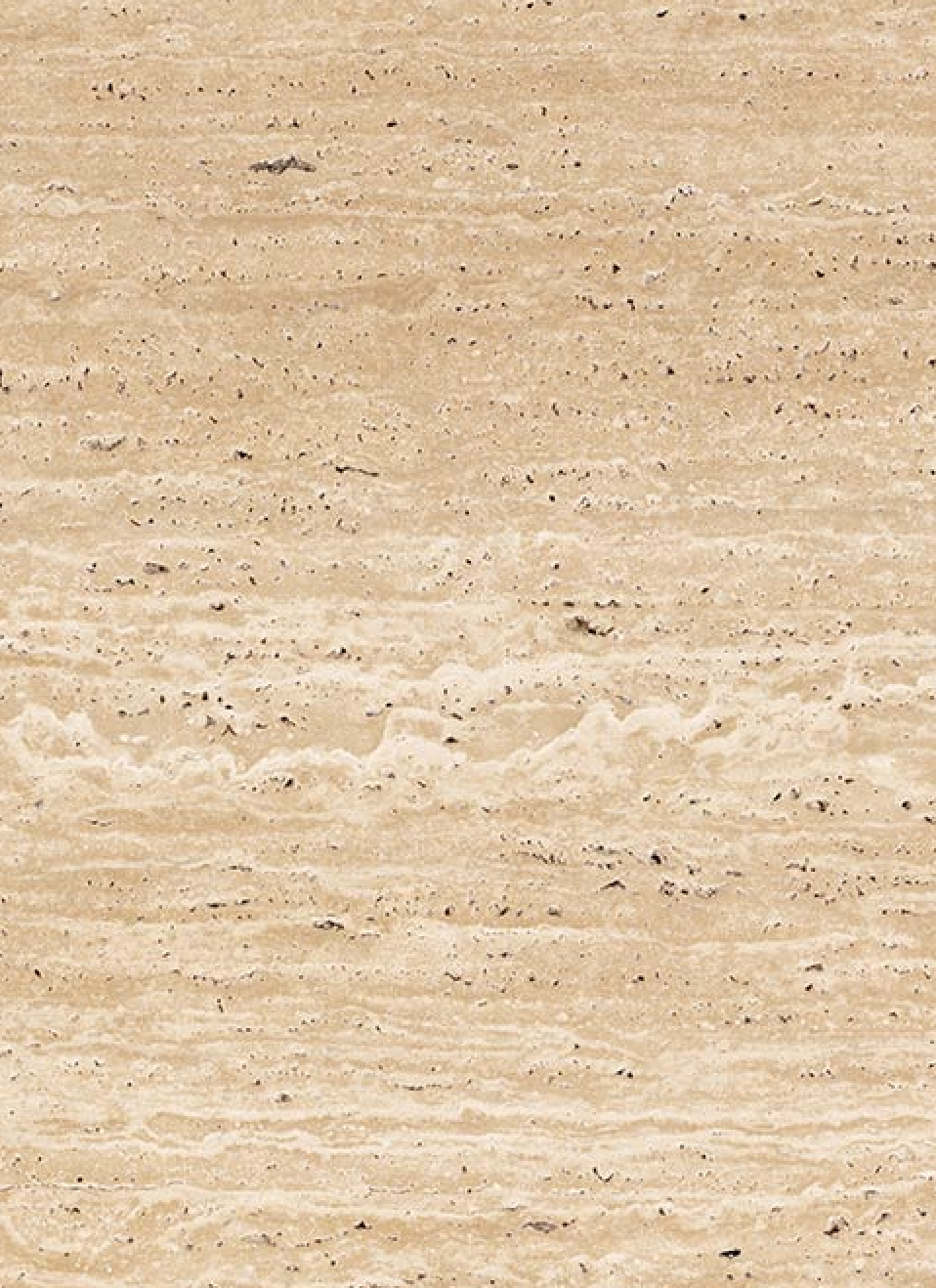
Description
🪨 What is Travertine?
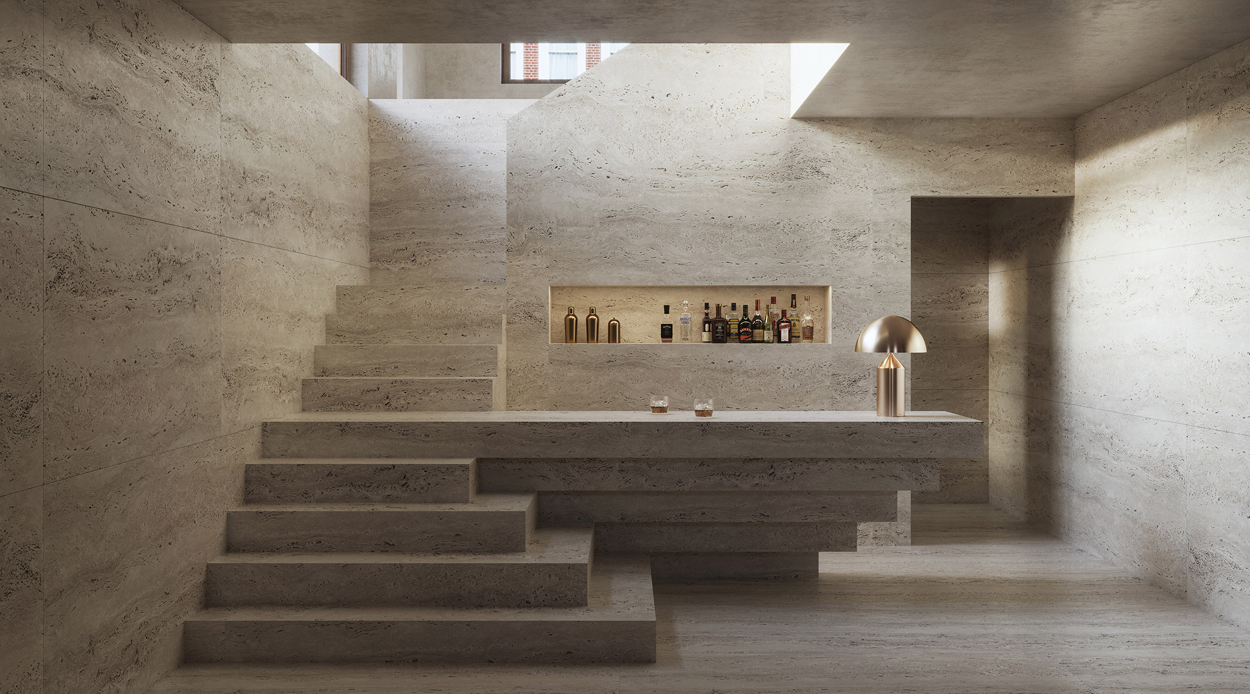
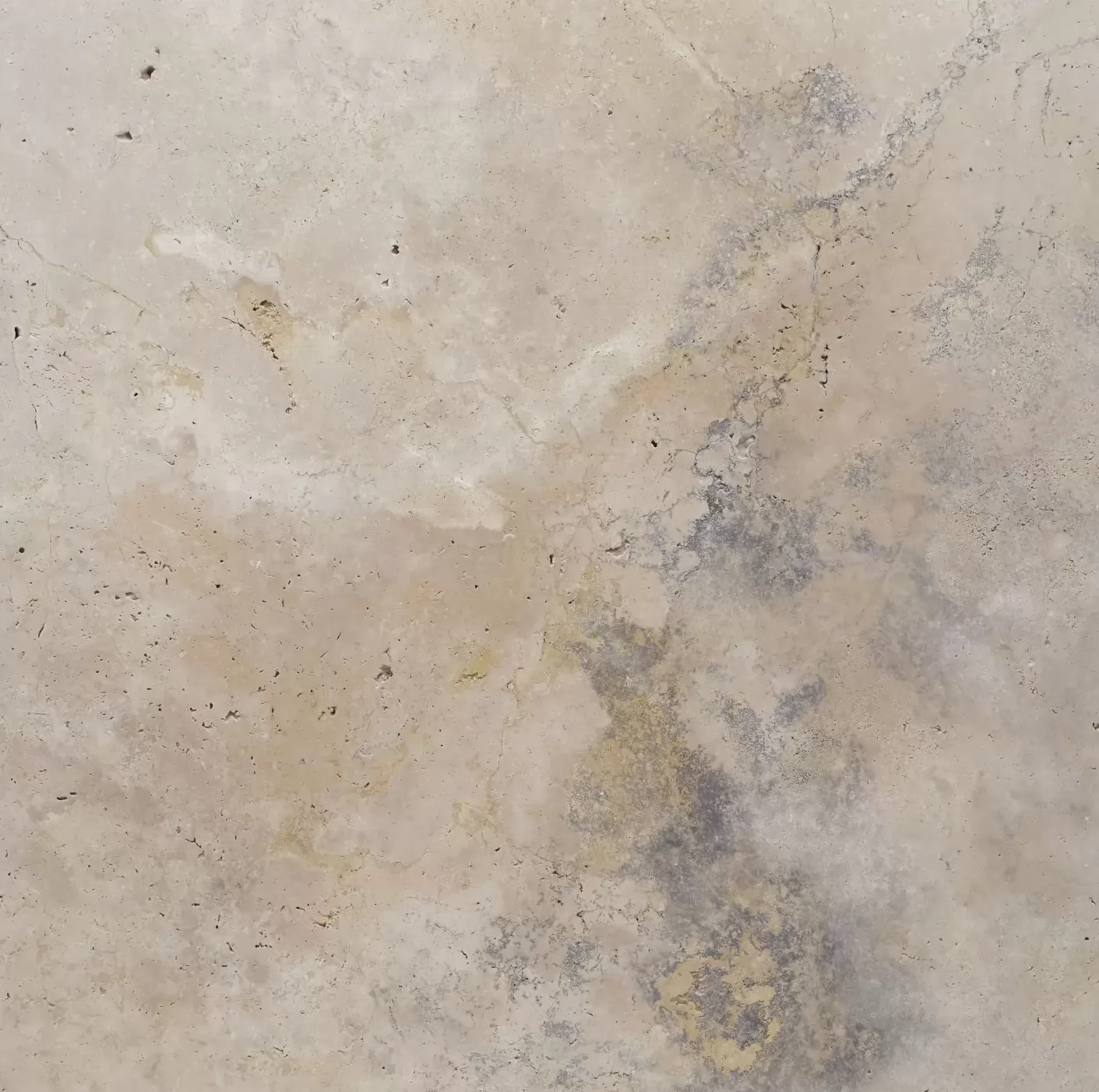
Travertine is a natural sedimentary rock formed by the precipitation of calcium carbonate (CaCO₃), primarily in hot springs and limestone caves. It’s a form of limestone but with a fibrous or concentric appearance and is commonly used in construction, especially for flooring, wall cladding, and decorative purposes.
🌍 Origin: Turkey – A Global Leader in Travertine
Turkey is one of the world’s largest producers and exporters of travertine. Turkish travertine is highly valued globally for its:
-
Rich color range
-
Consistent quality
-
Durability
-
Competitive pricing
-
Abundance of reserves (notably in regions like Denizli, Afyon, and Sivas)
🎨 Popular Colors & Types of Turkish Travertine
Turkish travertine is available in various natural shades and textures. Some of the most common types include:
| Name | Color | Notes |
|---|---|---|
| Classic Light | Cream / Beige | Most popular and versatile |
| Noce (Walnut) | Dark Brown | Elegant, rich tones |
| Silver Travertine | Grey / Silver | Modern look, subtle veining |
| Gold Travertine | Golden / Yellow | Warm and luxurious appearance |
| Ivory Travertine | Pale Cream / White | Clean and bright aesthetic |
| Red Travertine | Reddish / Terra | Bold and distinctive |
Each type may be honed, polished, tumbled, brushed, or filled/unfilled depending on application.
🔧 Common Finishes
Travertine surfaces can be treated in multiple ways for different visual and tactile effects:
-
Honed: Smooth, matte finish
-
Polished: Glossy and reflective
-
Tumbled: Antiqued, weathered texture
-
Brushed: Slightly textured surface
-
Filled: Pores are filled for a smoother surface
-
Unfilled: Natural porous texture is left visible
🏗️ Applications of Turkish Travertine
Due to its aesthetic and physical properties, Turkish travertine is widely used in both interior and exterior architectural elements:
Interior Uses:
-
Flooring
-
Bathroom walls and vanity tops
-
Kitchen backsplashes
-
Fireplace surrounds
-
Decorative wall panels
Exterior Uses:
-
Facade cladding
-
Patios and pool decks
-
Garden paths
-
Staircases
-
Columns and balustrades
⚙️ Technical Properties
| Property | Value (approx.) |
|---|---|
| Water Absorption | 0.8% – 1.5% |
| Density | 2.3 – 2.5 g/cm³ |
| Compressive Strength | 50 – 80 MPa |
| Flexural Strength | 7 – 12 MPa |
| Porosity | Medium to High (natural) |
| Weather Resistance | Good (especially filled types) |
🌱 Environmental Aspects
Turkish travertine is considered an eco-friendly building material:
-
Long-lasting and durable
-
Recyclable and reusable
-
Low processing energy compared to synthetic materials
-
Enhances indoor air quality when used in interiors
📦 Export and Global Demand
Turkish travertine is highly sought after in countries such as:
-
USA
-
Italy
-
Germany
-
China
-
UAE / SAUDI ARABIA
-
UK
- BRAZIL
It is often exported in the form of tiles, slabs, mosaics, and cut-to-size pieces for projects worldwide.
✅ Why Choose Turkish Travertine?
-
Excellent quality-to-price ratio
-
Wide variety of colors and finishes
-
Reliable supply and large reserves
-
Skilled craftsmanship in processing
-
Suitable for both traditional and modern designs